Author name: katopia_admin

Guidelines for Retirement Travel

Since retiring from my career as a school principal, I have had the privilege of traveling extensively—often five or six times a year—and helping others make the most of their own travel time. Along the way, I have learned that retirement travel is not about doing less; it is about traveling with more freedom, better judgment, and a pace that lets you truly enjoy the journey. These are the principles I use for my own travels and share with my clients. USE IT BEFORE YOU LOSE IT If there is a big, active trip on your list—a safari, a trek through hilly cities, an itinerary full of cobblestones, or a destination with long sightseeing days—my advice is simple: do it while it still sounds exciting. Many travelers in their sixties are energetic, curious, and fully capable of taking on more challenging adventures. Ten years later, the same trip may still be possible, but it may not be as enjoyable. That is when ocean cruises, river cruises, and destinations with less walking can become especially appealing. One reason I often recommend river cruising is the ability to choose your own pace. Depending on the cruise line and itinerary, guests may have choices ranging from gentler walking tours to more active hikes and bike rides. TRAVEL WHEN OTHERS CANNOT For years, when I was working in schools, family travel had to happen during summer vacation and school breaks—the most crowded, costly, and often hottest times to travel. Retirement changed that completely. Now, I plan many of my own trips in March, April, May, September, October, and November. These shoulder-season months often offer a much better experience: smaller crowds, more reasonable hotel prices, more comfortable temperatures, and easier access to guides, restaurants, and attractions. I also enjoy winter travel, provided it is not over Thanksgiving, Christmas, or New Year’s. But I always check the local holiday calendar first. A destination may be quiet during an American school break but bustling because of a European holiday, a major festival, or a regional vacation period. GO SLOW ENOUGH TO ENJOY IT One of the biggest changes I made after retiring was giving up packed, hour-by-hour itineraries. I have learned to build in a recovery day after a long international flight and to allow unscheduled time throughout the trip. That extra time is never wasted. It may become a long lunch with a view, a neighborhood stroll, a visit to a small museum, or an unexpected recommendation from a local. Some of the best travel memories come from moments that were never on the original itinerary. SPEAK A LITTLE OF THE LANGUAGE I am fortunate to speak fluent Spanish, which has been surprisingly useful in many places around the world. But Spanish does not solve everything, so before each trip I still learn a handful of local words: hello, please, thank you, excuse me, and perhaps “where is the restroom?” My Turkish, Hungarian, French, or Vietnamese may not be elegant, but the effort matters. I have found that people appreciate travelers who show respect for their language and culture, even when the conversation quickly returns to English. LET THE CONCIERGE HELP I have long believed that a good concierge is one of the best reasons to select the right hotel. A knowledgeable concierge can make a trip smoother and more memorable—especially when you need a last-minute restaurant reservation, a private guide, tickets, transportation, or advice on what is truly worth doing. Over the years, I have learned that the best concierges know their cities exceptionally well. They often know which restaurants are genuinely good rather than simply fashionable, which tour operators are reliable, and which experiences are right for a particular traveler. LOOK PAST TRAVEL BUZZWORDS I am cautious when I see words like “authentic,” “artisanal,” “bespoke,” and “immersive.” They can describe something wonderful—but they can also be marketing language without much substance behind it. After traveling throughout Europe, Asia, and South America, I have learned to look closely at what an experience actually includes, where it takes place, how large the group will be, and what recent travelers have said. This is also where having trusted suppliers around the world makes a real difference. I can help clients distinguish between a genuinely special local experience and one that only sounds special in the description. CHOOSE EXCURSIONS CAREFULLY This is a topic my cruise clients hear from me often: do not assume the cruise line’s excursion is always the best option. Cruise excursions can be convenient, but they may also be expensive and involve large groups. Depending on the port, I frequently recommend carefully vetted independent providers that offer smaller groups, more personal service, better pricing, and a back-to-the-ship guarantee. Still, there are ports where the ship’s excursion is the smartest choice because of distance, traffic, or timing. The right answer depends on the ship, the itinerary, the port, and the traveler—not simply on the price. TURN A LAYOVER INTO A DESTINATION I have written before about making a layover part of the vacation rather than simply an inconvenience. With the right airline and routing, it can be possible to add a memorable city without substantially changing the airfare. Istanbul is one of my favorite examples. Turkish Airlines offers eligible international passengers connecting through Istanbul the opportunity to arrange a stopover, with complimentary hotel accommodation available under certain fare, routing, timing, and advance-booking conditions.Iceland is another excellent possibility for travelers heading between North America and Europe. A stopover can turn a connection into a chance to see Reykjavík, the Blue Lagoon, waterfalls, or the dramatic Icelandic countryside. CHOOSE YOUR HOTEL LOCATION WISELY I have friends who book a hotel far outside a city center to save money, only to spend valuable vacation time—and much of the savings—on taxis, trains, and long commutes. That is rarely my preferred strategy. I encourage clients to stay in the part of town that suits the way they want to travel: near the museums, restaurants, historic center, waterfront, or transportation

Guidelines for Retirement Travel Read More »

bow of ship on water from above

Low water? High water? Should I go or cancel?

Most of my clients sail the rivers of Europe and many are wondering how to think about their upcoming cruise, or are perhaps thinking about doing something different. Since I have been on almost every river cruise line at various times of the year, I thought it might be helpful for you to know what some companies have done in low or high water situations. I’ll give you a couple of examples from our recent trips. In a high water situation last spring on Riverside Cruises (my absolute favorite river-cruise line, btw), where river ships can’t get under the bridges, our captain stayed ahead of the water and altered our itinerary slightly so he could “outrun” the wave, as it were. We missed one port and got to all the rest earlier. No reimbursement for the missed port, but no one objected. We got to Bucharest and after that, other ships were unable to pass and got stuck. On Tauck last year, during a low water situation in early fall, the captain changed ports completely and we were offered new and different excursions. No cancellations, no refunds. We just had longer bus rides to see the new ports with the new excursions they arranged. Each day we went back to the ship to sleep. I thought this was a great solution and all the clients were happy. When I told our cruise director on Tauck how much I appreciated the change in ports and excursions, he said to me “clients don’t go on Tauck to have days cancelled and be reimbursed. They sail with us because they know we will find a great alternative.” This was not hard for them as buses “follow along” with the ships on most of their routes… One summer a few years ago, I was on Avalon during low water season. They simply stopped at the last port they could safely reach and canceled the rest of the cruise. We were all asked to pack up everything and we were driven on a bus to Frankfurt where the company put us up for two nights at a hotel at no extra charge. Then, they reimbursed us for the two lost days of the cruise..Not my favorite as we missed a couple of great stops. They did not ask us, btw, what we would have preferred. Right now there is low water and several lines have canceled cruises, or altered the itineraries, moved clients to other ships in the fleet, hired buses, or done something else. There is a lot of variability in how these things are handled and it probably changes all the time. So, as you can probably tell, each line does something a little bit different. Hopefully my examples will help you understand what kinds of things are possible. When I sailed Ama, Viking, Scenic/Emerald and UniWorld we had no difficulties with water either way and our itineraries were unchanged.

Low water? High water? Should I go or cancel? Read More »

Fun Travel in the US!

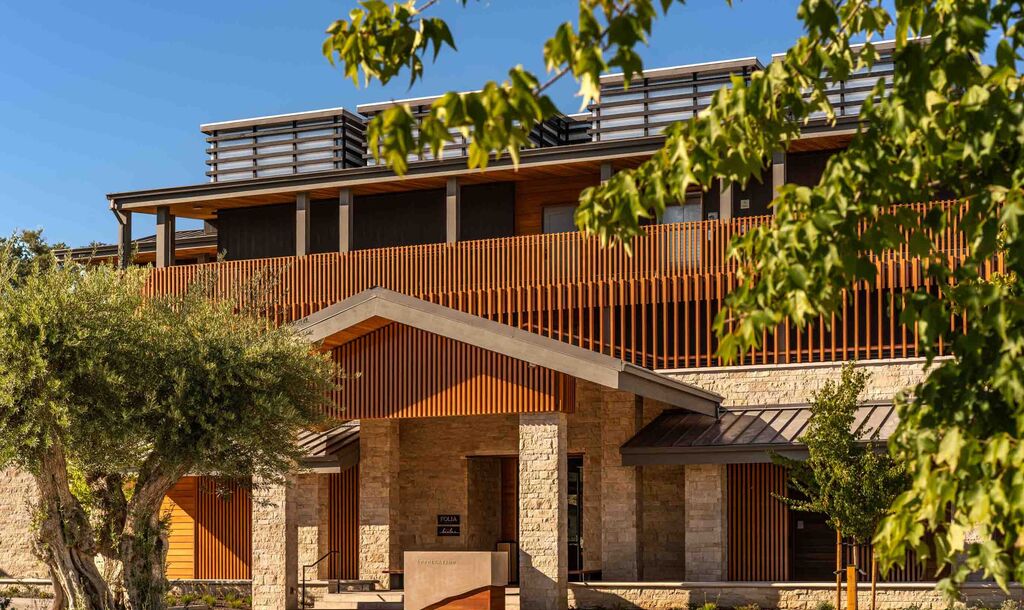
Recently, Scott and I had an opportunity to visit Healdsburg, CA, a delightful wine country town, and stay at Appellation, a new resort about three miles from downtown and near Meritage Healdsburg. Great location and the most friendly staff! The resort has about 100 rooms spread among four three-story buildings, with an industrial-chic style. There is a large, beautifully equipped gym, two pools—one for adults and one for families—and a spa. Unfortunately, the steam room was broken during our stay, much to the disappointment of Scott, who LOVES steam rooms. Our first night, a Tuesday, the restaurant offered a more casual and less expensive à la carte menu, although wines by the glass ran upwards of $36! Many dishes featured fresh tomatoes and vegetables from the lovely garden on-site and another Palmer garden in town that supplies the group’s local restaurants. The well-known Folia is open Wednesday through Sunday, and it was quite full when we dined there the following night. Lots of locals come, and there is even a special menu for them—a nice touch. Food, drink and service were all exceptional. A standout was a dish of toy box and other varieties of tomatoes in a dressing made with tahini, sesame oil, mustard and other ingredients. Smartly served at room temperature, it was delightful. We tried two desserts. Scott enjoyed the hazelnut chocolate dacquoise more than I did, but the Basque cheesecake was a winner. Creamy, with the characteristic burnt edges and no crust, it was served with a purée of local peaches and vanilla cream. The resort is designed for wandering and relaxing, with plenty of gathering spaces, umbrellas during the day and multiple fire pits at night. The Beeline rooftop bar was busy both inside and out and has lovely views of the surrounding vineyard-covered hills. There is also substantial event space for weddings and corporate gatherings, making Appellation an appealing choice for groups. Definitely worth a visit—and bringing a group here would be very fun! While in Healdsburg, we also had our best wine-tasting experience at Jordan Winery, built in the 1970s in the style of a French château. An on-site chef prepared wonderful small bites, including a carrot-potato purée with a salsify drizzle and a French onion “fondue.” The caveat is the price: at $90 per person, it is expensive, but the experience was very worthwhile. I don’t drink wine, and they charged me the same price as everyone else, but they did prepare a homemade lemonade sweetened with honey produced on the property. I would have preferred a non-wine-drinker price, but the setting, food and overall experience made Jordan a memorable part of our Healdsburg getaway. You can also join me and Scott on an upcoming cruise on Regent Cruises, from Le Havre (Paris) to Barcelona from Sept. 19-September 29, 2026. The ports are great, including an overnight in Lisbon. Some room categories such as Veranda and Concierge suite have availability, so let me know if you are interested.

Fun Travel in the US! Read More »

Discovering China: Easier, Safer, and More Fascinating Than We Ever Expected

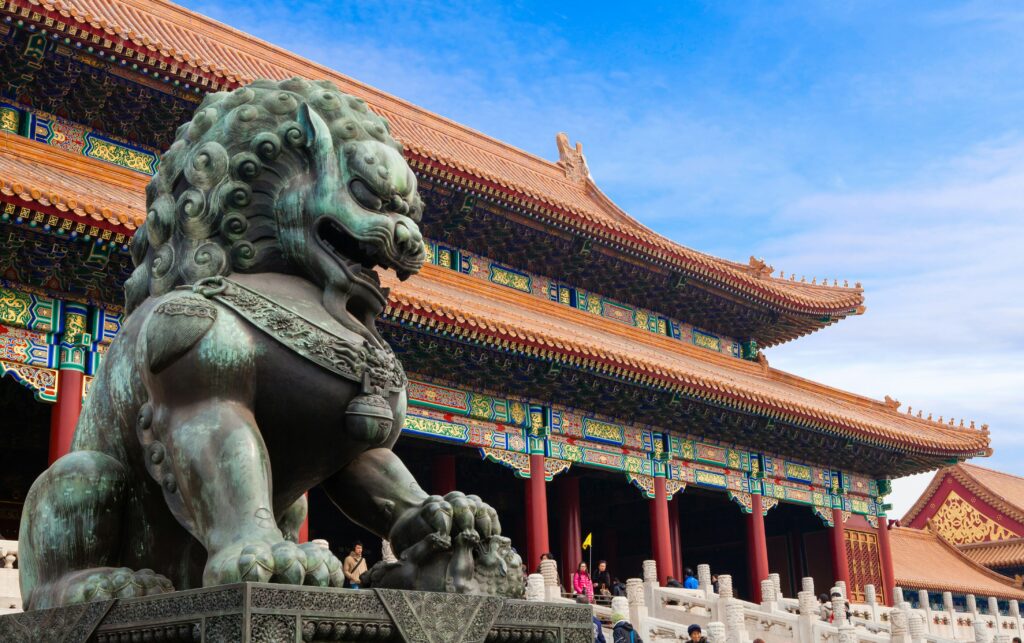
China had long held a place on our bucket list, but the country’s complicated and expensive visa process kept pushing the trip further down the road. Eventually, we decided it was time to stop waiting — and hiring a visa consolidator turned out to be one of the best decisions we made. The process still took several weeks once our documents were submitted, but having someone handle the consulate visit for us (rather than making the trip ourselves to San Francisco) made the extra expense completely worthwhile. We explored Beijing, Xi’an, and several other popular tourist destinations, and while I’ll share more details about each city separately, here are some of our biggest impressions from traveling through China. First Impressions: Remarkably Efficient One of the first things that struck us after landing was just how incredibly efficient everything was. Airport lines moved quickly, taxis often arrived within a minute of being requested, trains boarded seamlessly and departed exactly on schedule. Everywhere we went felt exceptionally clean, modern, and extremely well organized. Even more impressive was how friendly and helpful people were. Although many locals spoke little English, people consistently went out of their way to assist us. I especially appreciated how often strangers instinctively reached out to help Scott as he stepped off curbs or navigated stairs. Because English is not widely spoken, we were especially glad we chose private touring. Our guide spoke excellent English and quickly became one of the highlights of the trip. Safe and Comfortable Travel Throughout our travels in China, we felt extraordinarily safe. The streets were well lit, public areas were busy at all hours, and there was never a moment where we felt uncomfortable. One unexpected aspect of traveling in China that I particularly appreciated was the complete absence of aggressive street vendors. Unlike many destinations, there was very little pressure to buy tours, souvenirs, or other products. It made exploring local markets and neighborhoods far more relaxing and enjoyable. Highlights of Beijing and Xi’an In Beijing, some of our favorite experiences included wandering through local markets and exploring the historic old city. Riding through the traditional neighborhoods by rickshaw was especially memorable. In Xi’an, seeing the world-famous Terracotta Army was every bit as impressive as we had imagined, and a private tea ceremony gave us wonderful insight into Chinese traditions and hospitality. Staying Connected Travelers should know that internet access works differently in China. If you connect using local Wi-Fi or a Chinese SIM card, many familiar apps will not function normally. To work around this, travelers should consider installing a VPN or using an eSIM before arrival. We kept our regular T-Mobile service and relied heavily on WhatsApp, which worked well for us. Cashless China China has moved almost entirely toward app-based payments. Most transactions are handled through WeChat or Alipay, so it’s wise to set up accounts and connect your credit cards before leaving home. Once set up, payments are incredibly fast and simple using QR codes. The only challenge? Keeping your phone charged. We always travel with a portable phone charger and that has been very helpful for all our trips, especially when we are away from the hotel all day and evening. High-Speed Rail: The Best Way to Travel China’s high-speed rail system was one of the biggest surprises of the trip. The network is extensive, affordable, exceptionally efficient, and in many ways reminded us of Japan. Train stations were enormous but remarkably clean and easy to navigate. The trains themselves were extremely comfortable, offering charging ports, tray tables, food service, and spacious seating. Even second-class tickets felt premium by most international standards. At the Forbidden Palace in Beijing. Young women dress in period clothing to visit (and to post on social media!) At the Great Wall – it was very cold. At the Tang Dynasty show in XiAn. China exceeded our expectations in almost every way. Between the efficiency, safety, modern infrastructure, and incredibly welcoming people, it proved to be one of the most fascinating and surprisingly easy destinations we have visited.

Discovering China: Easier, Safer, and More Fascinating Than We Ever Expected Read More »

South America, Up Close: Adventure Made Accessible

Our recent journey through Peru proved that true adventure can be both comfortable and accessible. The highlight was a four-day expedition on the Amazon River aboard Aqua Expeditions—one of only two luxury ships permitted in this region (along with National Geographic Expeditions). Traveling by small ship made the rainforest remarkably approachable. Guided outings revealed abundant wildlife, including a glimpse of pink dolphins, while visits to riverside villages offered insight into communities where each speaks its own indigenous language. Despite feeling like a true expedition, the experience was entirely manageable for seniors and those with minor mobility concerns. We had as much help as we wanted getting on and off the ship itself, plus navigating the 12 person skiffs that were used to visit the Amazonian tributaries and villages. And, I had the delight of a private tour of one of the villages of 125 people by seven elementary-school age children who were very proud to introduce me to their families and to their way of life along the river.  This is me swimming in the “black river” which has that color because of its tannins. Water felt clean and fresh! This river was in the Pacaya-Samiria reserve at the confluence with the Amazon, which is sediment rich, cloudy and tan in color. In Arequipa, we visited an Andean family who demonstrated traditional alpaca harvesting, dyeing, and weaving—a memorable cultural connection. We also explored iconic sites including Machu Picchu, Ollantaytambo, Sacsayhuamán, and the Maras Salt Mines, with a relaxed two-night stay in Aguas Calientes. Exceptional meals in Lima and Arequipa rounded out a journey that blended culture, cuisine, and comfort—showing that even bucket-list destinations can be enjoyed at your own pace. We spent a total of 16 days and that was perfect for this kind of itinerary. We did not feel rushed and  we got a wonderful sense of life in modern Peru, both in the main cities, small towns and along both the Andes range and the Amazon Rivers. Get in touch if you’d like me to prepare this kind of trip for you.

South America, Up Close: Adventure Made Accessible Read More »

ruins

Guatemala and Belize

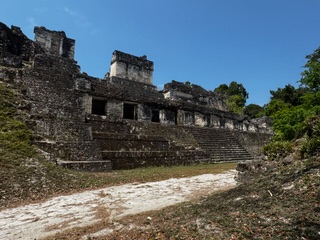
Why Guatemala and Belize? Until recently, Guatemala and Belize weren’t high on the typical tourist radar — but that’s quickly changing. These two countries are brimming with rich culture, wild landscapes, and incredible hospitality. I spent 10 unforgettable days exploring them, and I’m already dreaming of going back. Stop 1: Antigua, Guatemala — Colonial Elegance at the Foot of Volcanoes Our journey began in Antigua, a charming colonial city tucked between volcanoes. The weather was a perfect 75°F, making it ideal for wandering cobblestone streets, exploring centuries-old ruins, and soaking up the local history.We stayed in a 16th-century palace — yes, a real one — with 10 rooms surrounding a central courtyard bursting with tropical plants. The rooms had stone floors, intricate tilework, and historic character in every corner. While there was no air conditioning, tower fans helped move the air, and we learned the owners are working on a solution that respects the building’s heritage. Meals were a treat — prepared on-site by a private chef and served in a stunning, moody dining room with hardwood furniture and candlelight. One day, our guide took us on a tasting tour of traditional Guatemalan sweets made from gourds, local fruits, and local spices — unexpectedly delicious! We also toured several modern hotels in Antigua, each offering unique amenities for different travel styles Stop 2: Flores & Tikal — Jungle Adventures and Ancient Wonders Next, we flew north to the town of Flores, located on a small island in Lake Petén Itzá. From there, a quick boat ride took us to Bolontiku, a serene island resort where every guest had a modern, air-conditioned room with a private terrace overlooking the lake. Highlights from our time here: Monkey encounters on nearby islands (one even boarded our boat for a banana!) Zip-lining across 9 thrilling lines above the jungle Swimming in crystal-clear waters near a mysterious Mayan cave filled with stalagmites and stalactites. Exploring the ruins of Tikal, one of the most iconic and impressive Mayan archaeological sites in Central America The heat and humidity were real, but so was the magic of the jungle. Stop 3: Belize — Island Life and Barefoot Luxury After crossing the border into Belize on foot (yes, with luggage in tow!), we made our way to Barton’s Creek for a lovely beachside lunch at Naia Resort. The resort clears seaweed from the beach daily, making it perfect for swimming and relaxing. We also visited: Chaa Creek – a sprawling eco-lodge with jungle vibes, a big pool, and fun outdoor dining Ka’ana Resort – part of the Small Luxury Hotels collection; great food and grounds, though my room could use an update Several other boutique properties, each with distinct offerings for travelers Our final and favorite stop was Itz’ana Resort, where we stayed in two-bedroom beachfront villas. The grounds were massive, right on the beach, and the setting was breathtaking. That night, we had a dreamy candlelit dinner with fresh seafood and ocean breezes and yummy tropical cocktails. The Grand Finale: Moho Caye On our last day, we took a boat out to Moho Caye — a remote, uninhabited island surrounded by warm, shallow turquoise water. It felt like our own private paradise. We snorkeled, swam, played ball in the water, and soaked up every second of the sun-soaked silence. Final Thoughts Would I go back? Absolutely. Guatemala offers rich culture, volcanic landscapes, and a deep sense of history. Belize brings the beaches, jungle adventures, and luxurious island life. Together, they make for a trip that’s both exhilarating and relaxing — with stories, sights, and flavors you’ll never forget. If you’re looking for a destination that’s still a little under the radar but packed with WOW moments, consider Guatemala and Belize. Go before the crowds catch on.

Guatemala and Belize Read More »

hand holding paper currency

5 Mistakes to Avoid When Exchanging Money Abroad

I’d like to share this informative article from Afar.  If you don’t have time to read the full article, here’s a summary of “5 Mistakes to Avoid When Exchanging Money Abroad”: Avoid airport currency kiosks: They charge inflated rates and hefty fees. It’s better to order currency from your bank in advance to get better rates. Don’t pay in USD at ATMs or stores: Always choose the local currency to avoid unfavorable exchange rates set by merchants or payment processors. Use affiliated ATMs: Prefer ATMs linked to major banks to avoid high fees and poor exchange rates. Deny currency conversion offers at the ATM to get the best local rate. Choose credit cards without foreign transaction fees: Use travel-friendly credit cards that waive these fees, and check their acceptance in your destination country. Avoid cards that charge extra for international cards. Manage cash carefully: Research whether cash is needed, and avoid converting too much or too little. Re-exchanging leftover currency can lead to extra fees. Following these tips helps travelers save money, avoid hidden fees, and make smarter currency exchanges abroad.

5 Mistakes to Avoid When Exchanging Money Abroad Read More »

airplanes at airport gates

Stuck for Hours on a Parked Plane? Here Are Your Rights.

I highly recommend reading this interesting NY Times article published today.  Don’t have time to read the whole article? Here’s a run-down: With the growing issue of long tarmac delays at U.S. airports, the article explains what passengers can expect during these frustrating times. What’s a Long Delay? If your flight is stuck on the tarmac for over three hours domestically or four hours internationally, that’s classified as a long delay. Unfortunately, these instances have been on the rise, with 437 reported last year for domestic flights! Why Does It Happen? Delays can happen for various reasons like pesky weather or busy air traffic, and airlines might not always share the specifics, which can be a bit frustrating. Your Rights as a Passenger: If you’re stuck on a plane for a while, airlines are generally required to provide you with essentials like water and snacks after two hours. However, don’t expect a full meal! Getting Off the Plane: If you’re really in a bind, airlines in both the U.S. and Europe have rules that allow you to deplane after three to four hours. Just keep in mind that if you choose to leave, you might not be able to reboard. Compensation in Europe: In Europe, the rules are a bit friendlier; if you arrive more than three hours late, you might qualify for cash compensation based on how far you were flying. Need to File a Complaint?: If you experience a delay, reach out to your airline first. If you need to take it a step further, you can contact the relevant transportation agency. Overall, while tarmac delays can be super annoying, knowing your rights can help make a tough situation a little easier!

Stuck for Hours on a Parked Plane? Here Are Your Rights. Read More »

vineyard

Wine Tour 2026 – Announcement

Greetings! In this edition of the blog, I’d like to tell you about a wonderful trip that I am planning/leading with Cuda Ridge Wineries in Livermore for March 2026. Discover the Magic of South America through Wines and Culture (Please click here for more information). Feel free to share this information if you know of others who might like to travel with me on an amazing trip to South America to experience great wines, food and culture! Learn more:View Webpage with Trip Details Questions? Happy to help!kip@kips-trips.com |  925-666-8964 Save an extra $250 if you book now.  Hurry – offer ends April 5th. Speaking of savings, don’t forget to keep checking my promotions page for exclusive travel deals.  It’s updated regularly and worth a look! — Kip Travel with Kip and Cuda Ridge Winery on this Amazing Private Tour to CHILE & ARGENTINA Discover the Magic of South America through Wines and Culture March 11 – 22, 2026 | 11 Nights Fully Escorted Land Tour More Info I am putting together this trip for Cuda Ridge Winery in Livermore. The winery owners and I will take a small group of travelers on a wine and food focused trip to South America to visit Buenos Aires and Mendoza in Argentina, and Santiago in Chile. You all know that I am a fluent Spanish speaker, food lover, cook and baker, and experienced group leader. This will be fun because in addition to the wine tasting at boutique and special wineries, and food activities, we will be spending a day at a ranch in the Argentinean grasslands (where the tradition of the Argentinian cowboy began), making empanadas and alfajores, listening to folk and tango music, having our own tango class, visiting the Columbus theatre in Buenos Aires, and participating in other exciting activities. This is a privately curated trip, meaning you will not find these wineries or activities on commercial tours. Learn More Now

Wine Tour 2026 – Announcement Read More »

woman pulling suitcase

Travel Insurance Conundrum

 I always recommend travel insurance for clients because not only are you covered in the event of something medical occurring, but you are also covered in the case of a long travel delay, or a late flight, lost baggage, etc. This is of particular interest and lots of my clients like to talk about the benefits of either travel insurance or the refundable flight. Read on for more information! — Kip Purchasing Travel Insurance vs. a Refundable Flight: Which Is Better? from Allianz Travel As you’re booking the flight for your next trip, you’re faced with a dilemma. Should you buy the refundable airline ticket or the non-refundable ticket? The cheapest non-refundable fare—often labeled the Saver, Basic, or Economy fare—will save you money, maybe even hundreds of dollars. But these tickets are also the most restrictive, so you risk losing it all if you need to change or cancel your trip. The refundable fare is more expensive, although it often includes perks, such as no bag fees, better seat choices, and earlier boarding. But if you get the refundable flight, can you save money by skipping the travel insurance? The short answer: The best ticket choice will depend on your budget and your flexibility. And no matter which you pick, travel insurance is almost always a good buy. That’s because it can protect much more than the price of your ticket, including trip delays, baggage delays, medical emergencies, and more. Every traveler’s situation is different! Here’s how to make sure you buy the right kind of ticket and the right travel protection. Read More

Travel Insurance Conundrum Read More »

Scroll to Top